
Dropkick Murphys — Rose Tattoo
Served my Twilight tour as Bachelor Quarters Officer at SUBBASE Pearl. — Garland

I spent a number of years in my youth living and sailing out of Pearl Harbor. The last time we were there was in 2003 and the changes even then were astonishing. Many of the old buildings were still there but a modern bridge attached Ford Island to the mainland. The Chapel at Sub base was closed at that time and the Enlisted Men’s club was on limited hours as well.

But no matter how long you are away, some memories come back and overwhelm you. The smell of the many flowers as you arrive at the airport. The breeze of the trade winds that mask the heat of the bright sun. And the feeling of an unstated collection of long ago spirits that traveled through these islands on their war to long ago wars. As you stand by the finger piers looking across at the shipyards, you can hear…
View original post 2,437 more words
THE CLUBS OF OLONGAPO/SUBIC BAY AND OTHER
BUSINESS ESTABLISHMENTS
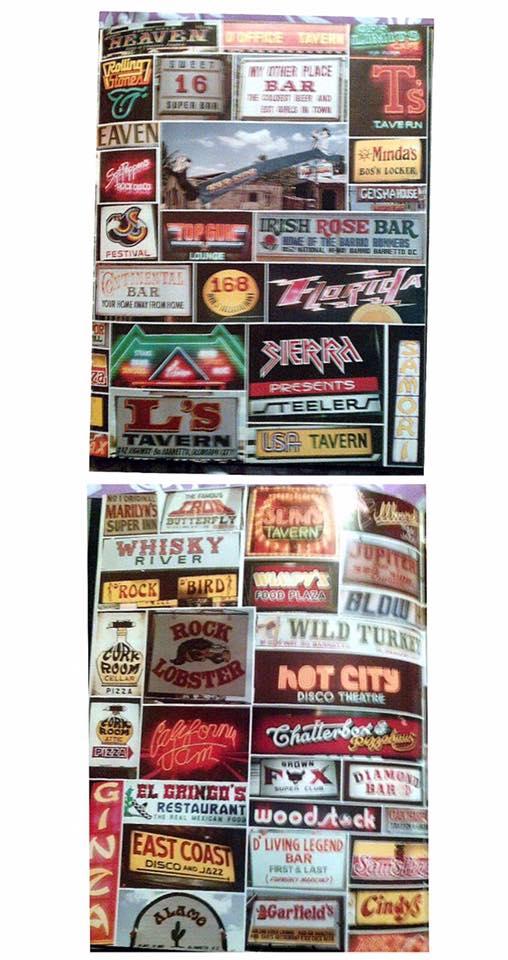
THE CLUBS AND HOTELS OF OLONGAPO Acapulco, Argentina, Bali Hai, China Inn, Copacabana, Fuji, Hong Kong, Monte Carlo, Mozambique, Sahara, Shanghai, Sweden, Zanzibar – you could have been anywhere in the world with these Gapo Clubs And for the USA lovers, one could have gone to Boston, Washington, Texas, Tennessee and Nashville and Grand Ol’ Opry, New York and Broadway, and Woodstock, New Mexico, New Jersey, New Haven, Florida and Miami, Missouri, Las Vegas, Dallas, and, of course, California. But in my case I preferred to be in Shangri-la, Cloud 9, and, most of all, in Heaven. U & I could Frolic in Dreamland unless you wanted to remain in Banaue, Nueva Vizcaya, or Jolo. And there may be some who would rather be at the Gay Club or the AC/DC Club or at the Cockeyed Cowboy and the Foxy Lady. If there’s a Gay Club, there was also a Gay Hotel. If there was a Joy Club, there was also a Joy Hotel. If there’s a Bayview Club, there must be a Bayview Hotel (but no bay to view). They may be the Talk of the Town but at all cost, it was alway’s a good idea to avoid the Devil’s Den, the Shark’s Cove, the Crazy Charlies, and the Destroyer because you may be an El Gringo or a Gigolo but you’re no match to Nina’s Papagayo. And for the gold lovers, Gapo had Gold Label, Golden Buddha, Golden Hotel, Golden Nugget Club, Golden Pawn Shop, Golden Peacock Club, Golden Place, and Golden Ranch. For the silver fans, there were the Silver Dollar and the Silver Star Club. And for the not-so-young anymore, Gapo had Old Gold Hotel, Old Grand Dad Club, Old Jolo, Old Mexico, Old West # 1, and Old West # 2. In the Jungle or the Zoo, you may find a Zebra, a Brown Fox, a Penguin, a Palomino, a Red Rooster, and a Pussycat as well. And in D’ Cave, there may be an Eagle’s Nest but I know that in the Tropicana Garden or the Beehive there was an Iron Butterfly and, of course, always it was the Queen Bee who was always the SUPREME. Of course, it won’t be called a jungle, if there was no Harlem, where colorful clubs abound like Black Chamber, Black & White Club, Blue Haven Hotel, Blue Magic Disco, Blue Room, Green Apple, Purple Haze, and a mix of colors called Rainbow. Although not in the jungle, PAULINES definitely had the crocodile. And if it’s too cold in GREENLAND,,too mystic in ROCKET ROOM,,too flashy in The CATWALK,sailors went to D’ PARK where the BAMBOO GROVE was near the LAGUNA de BAY. They lay down on The SANDS, by The MARINA, .watched D’ WAVE, and just waited for The SUNSET, dreamed of The MAALIKAYA, checked The PALLADIUM, tried to play The TOM TOM, or rode The CAROUSEL and smelled D’ ROSES. These were so ECONOMICAL and every MOMS surely ” L ” them. As a Majestic Baron and an Aristocrat, lodgings such as the Emperor, Empress, and Imperial were probably worth of the Crown Z. But since I owed no allegiance to the Queen, I went with my PRESIDENT at the WHITE HOUSE and stayed at the ADMIRAL ROYALE where the service was totally CONTINENTAL. If there was an ‘L’ Club, there were also the El Cario, El Flamingo, El Gringo, El Paborito, and El Tropicano There were also the Magic Glow, Willow, Apollo, Tally Ho, Mocambo, Johnny O, The Tide Hi – Lo , Alamo, Happy and Love Disco, and Leo – patok silang lahat sa Olongapo And HOBBIT HOUSE is not a BAHAY KUBO that was made of SAWALI. It’s not also a museum that has a DIAMOND and no statue of the SPHINX. Even if you do ,CHERRY picking at the STRAWBERRY FIELDS, there won’t be any argument from the CHATTERBOX, even in the far flung places of DAVAO and BANAUE and the WILD WEST of ARIZONA. Girls name abound with the likes of Rosanna, Rose, Rovisa, Rufadora Sandra, Cherry, Sherry, Christine, Cindy, Marilyn, Florie, Fely, Mariposa, Nene, Ester, Dolly Marcy, and Victoria. They all have three things in common: they’re all Bonita, Maligaya, and Maalikaya. There were also Airport and Airwaves and B29 in the Sky. Astro and Apollo are other club names. Also Carrier 7 which wasn’t the Big E aka the Enterprise There were the West 1622 Club. West End Bar, and West Fargo Bar, and the Wild West. On the other end there were also the East Inn Club, East Coast Disco, and Eastern Club and Hotel For masculine names Gapo had Ely’s and Ernie’s, Ding’s and Wilfredos, Tom Tom, Joker, Leo, Ken’s, Bubba’s, Sonny and Sam’s. There were also Fat Freddies, Porky’s, Jack Daniels, Johnny O’s, and the gentle Uncle Bob’s. As a sailor’s town, there were the Sea Breeze Bar, Sea Horse Club ,Sea Knight and Seaman’s Inn. There were also the Ship Ahoy, Show Boat, Port Hole, Port ‘O Call, Fleet Nite Club and the Quarterdeck There were also the dance clubs like Shindig, Yug-yug, Pier 10, Filmore East, Rock Trax, Hot City and the Concert. That’s the Olongapo during the peak of the Navy days. Sailors called Gapo the best liberty town and everyone said sir aye aye.

Smokes and Suds

I Never trust a fighting man who doesn’t smoke or drink.”… Admiral William Frederick (Bull) Halsey Jr.
I started smoking, surreptitiously, at about twelve or thirteen. It was shortly after my Dad died. I wouldn’t even have taken the chance while he was living. Growing up in a state where tobacco was king, where everyone smoked, cigarettes and cigars were easy to come by. Everyone would sell them to a kid. You just had to say they were for your Mom or Dad if anyone asked. When I could afford cigarettes, I bought them. When I couldn’t, I bummed them or did without. Looking back, that would have been a good time to quit. I thought the Maverick brothers on the TV series were cool with their cigars, so I started smoking cigars also. In those days you could buy a decent cigar for ten cents and a good one for a quarter.
I smoked until boot camp, where I was presented with another great time to quit smoking. The Company Commander got pissed off and turned off the smoking lamp for the entire company for about six weeks because the Battalion Commander found a cigarette butt adrift. I, unlike some of my fellow victims, obeyed the rules and didn’t smoke during this period. After the six-week hiatus, the only thing that I can equate that first smoke to is an orgasm.
In those days, cigarettes cost about two bucks a carton at the Exchange. A payday trip to the Exchange to get cigarettes, cigars and toiletries always saw the essentials in stock. We all ran into the perpetual bum, the guy who never had his own smokes. I never wanted to be that guy and always made sure that I had a stock of smokes on hand.
On my first ship, I learned that “Sea Stores”, non-tax paid cigarettes, only sold when outside the three-mile limit, were less than a buck a carton. Now this was a smoker’s heaven. I served in an Ocean Going Tug that was too small to have a store. It was also slow, with a top speed of twelve knots, and much slower when burdened with a tow. I learned to buy a large stock of smokes before leaving port. I remember one extended mission where everyone ran out of smokes. We pulled into Singapore and for some time afterward, we were all smoking English Cigarettes.
I smoked throughout my Navy career. In 1985, I was presented with another opportunity to stop smoking. I had stomach ulcers and it became necessary for surgery. The Doc’s decided to remove one-third of my stomach and a portion of the small intestine. In preparation for the surgery, I had a consultation with the anesthesiologist. He told me that the gas they used during surgery was an insult to the lungs and sometimes people died and it was always people who smoked that died. This was said while the whole time he was smoking a cigar. I quit smoking for a week before the surgery and for about two months afterward. Having coffee one morning and my wife’s cigarettes were on the table. Took one and lit it without even thinking, like I had done thousands of times before.
I smoked for another eleven years after that. Finally decided that the time to quit had arrived. Smoked my last cigarette on Christmas Eve 1996. No patches, no therapy, no hypnotism, just quit.
My first experience with drinking occurred when I was about fourteen. The juvenile delinquents that I palled around with and I found a quart jar of clear liquid under a bush in the woods. Of course, we knew that it was moonshine whiskey. This was bootleg country. Just about everyone I knew had a relative that was or had been a bootlegger. We decided to drink the stuff. Of course we were all lying about how many times we had drank white likker in the past. I recall taking a sip and thought the top of my head was coming off. But of course, I said, “Damn that’s good.” We each had a sip and all proclaimed how good it was. We hid it for later, but could never find it again. I always suspected that one of my cohorts took it.
I was about fifteen when my uncle gave me a six pack of Pabst’s Blue Ribbon beer. I learned that beer was something that I could enjoy drinking. In those days, the age to purchase beer, in North Carolina, was eighteen. Twenty-one for whisky or other spirits. I quickly learned which of the small country stores in the county never bothered with identification. I remember one farmer/store operator who proclaimed his policy of, “If a boy is old enough to tote the money in here, far as I’m concerned, he’s old enough to tote the beer outta here.”
I arrived in San Diego at seventeen, and of course, there was no drinking until twenty-one. The naval authorities and the state of California took the no drinking thing seriously. I saw a long dry spell before me.
The next year while stationed at Lemoore California, someone left a half fifth of vodka in the dayroom of the cooks barracks. A fellow cook and I drank it, with grape kool ade, the only thing available. That was the first time I got sick from drinking. I remember the purple water in the toilet. I haven’t been able to drink grape kool aid or grape soda in the fifty years since. No problem drinking Vodka.
The following year I was assigned into an ammunition ship in Port Chicago, Ca. When I reported, the ship was in the yards in San Francisco. Expected the California rules would keep me dry, but my shipmate Ike introduced me to some dives in the questionable neighborhoods of Frisco where no one seemed to give a damn how old you were. After we left the yards and moved to the Ammunition Depot at Concord, I learned that there was a club on base where underage sailors could drink beer in undress blues.
After taking on an ammunition load and enduring REFTRA we departed the Bay Area for Hawaii and the Far East. During our stop in Hawaii, I learned that the EM Club just required underage personnel (the age in Hawaii was twenty at the time) to sign a log acknowledging that you understood the drinking age. Then they sold you booze. No problem, unless you got into trouble or got drunk. Then they used your signature in the book against you. After Hawaii came Guam and then Japan, the PI, and Hong Kong.
After leaving The ammo ship, I went to CS “B” school in San Diego. I was barely twenty. I had recently made second class. I sewed a hash mark on my liberty blues. This was in the days when many third class cooks were sporting two and three hash marks. I would go into a bar, put my left arm on the bar and order. Worked. San Diego wasn’t so dry after all.
After San Diego, I was ordered to the Navy Commissary Store, Yokohama, Japan. For the remainder of my naval career in the Far East and Hawaii, I drank when I could. Unlike many of my shipmates and friends, I could always take it or leave it. I quit, for a while, about a year and a half ago for health reasons until I read a study that found evidence that an ingredient in hops may be beneficial to persons suffering from Parkinson’s disease. Yea, let’s hear it for hops!
Many of my FaceBook friends ask why I always share Bud Light posts. I have been asked if I own stock in Anheuser Busch. The truth is: I have a born again sister who has categorized me as a drunken sinner. I do it to irritate her.
To follow Tales of an Asia Sailor and get e-mail notifications of new posts, click on the three white lines in the red rectangle above, then click on the follow button.
A native of North Carolina, Garland Davis has lived in Hawaii since 1987. He always had a penchant for writing but did not seriously pursue it until recently. He is a graduate of Hawaii Pacific University, where he majored in Business Management. Garland is a thirty-year Navy retiree and service-connected Disabled Veteran.
Kyphotic and aged
By Garland Davis

As I neared the old sailor, he stood kyphotic
and showed his age and many years before the mast.
Perhaps he saw my dress blues and the jaunty
white hat as I walked toward with a seaman’s roll.
Over pizza and beer, discomfort ran in background
mode while we talked of ships and wars, beers and
girls, laughed at the stories and cried for those
shipmates who had already gone on before us.
But by midnights approach everything said and
nothing said as we stood, unease swelled to dread.
As separation and departure approached, my stride
beside his shuffle, left no more a print than his.
We reached the Old Sailor’s Home and turned to
say our farewells. We hugged on the street, the
thin weight of his nearness against my chest.
As though warned, I tried not to look back.
See ya next time Dad.
Its existence kept secret throughout the war, the US naval base at Ulithi was for a time the world’s largest naval facility.
In March 1945, 15 battleships, 29 carriers, 23 cruisers, 106 destroyers, and a train of oilers and supply ships sailed from “a Pacific base.” What was this base? The mightiest force of naval Power ever assembled must have required a tremendous supporting establishment. Ulithi, the biggest and most active naval base in the world was indeed tremendous but it was unknown. Few civilians had heard of it at all. By the time security released the name, the remarkable base of Ulithi was a ghost. The war had moved on to the Japanese homeland, and the press was not printing ancient history about Ulithi.
Ulithi is 360 miles southwest of Guam, 850 miles east of the Philippines, 1300 miles South of Tokyo. It is a typical volcanic atoll with coral, white sand, and palm trees. The reef runs roughly twenty miles north and south by ten miles across enclosing a vast anchorage with an average depth of 80 to 100 feet – the only suitable anchorage within 800 miles. Three dozen little islands rise slightly above the sea, the largest only half a square mile in area.
The U.S. Navy arrived in September 1944 and found resident about 400 natives and three Japanese soldiers. The natives on the four largest islands were moved to smaller Fassarai, and every inch of these four was quickly put to use. Asor had room for a headquarters: port director, radio station, an evaporator (rain is the only freshwater supply), tents, small boat pier, cemetery. Sorlen was set up as a shop for maintaining and repairing the 105 LCVPs and 45 LCMs that became beasts of all work in the absence of small boats. Mogmog was assigned to recreation. The big island, Falalop, was just wide enough for a 3500-foot airstrip for handling the R4Ds (Douglas DC-3s) and R5C Commandos, which would presently fly in from Guam 1269 passengers, 4565 sacks of mail and 262,251 pounds of air freight a week. This took care of a few services – but where were they going to put the naval base?
Enter “the secret weapon,” as Admiral Nimitz called Service Squadron Ten. Commodore Worrall R. Carter survived Pearl Harbor to devise the miraculous mobile service force that made it possible for the Navy to move toward Japan in great jumps instead of taking the slow and costly alternative of capturing a whole series of islands on which to build a string of land bases.
Within a month of the occupation of Ulithi, a whole floating base was in operation. Six thousand ship fitters, artificers, welders, carpenters, and electricians arrived aboard repair ships, destroyer tenders, floating dry docks. USS AJAX had an air-conditioned optical shop, a supply of base metals from which she could make any alloy to form any part needed. Many refrigerator and supply ships belonged to three-ship teams: the ship at Ulithi had cleaned out and relieved sister ship No. 2 which was on the way back to a rear base for more supplies while No. 3 was on the way out to relieve No. 1. Over half the ships were not self-propelled but were towed in. They then served as warehouses for a whole system of transports which unloaded stores on them for distribution. This kind of chain went all the way back to the United States. The paper and magazines showed England sinking under the stockpile of troops and material collected for the invasion of Normandy.
The Okinawa landings were not so well documented but they involved more men, ships, and supplies-including 600,000 gallons of fuel oil, 1500 freight cars of ammunition, and enough food to provide every person in Vermont and Wyoming with three meals a day for fifteen days. The smaller ships needed a multitude of services, the ice cream barge made 500 gallons a shift, and the USS ABATAN, which looked like a big tanker, really distilled fresh water and baked bread and pies. Fleet oilers sortied from Ulithi to refuel the combat ships a short distance from the strike areas. They added men, mail, and medical supplies, and began to take orders for spare parts.
When Leyte Gulf was secured, the floating base moved on, and Ulithi which had had a temporary population the size of Dallas and had been the master of half the world for seven months shrank to little more than a tanker depot. Once again, it became a quiet, lonely atoll.
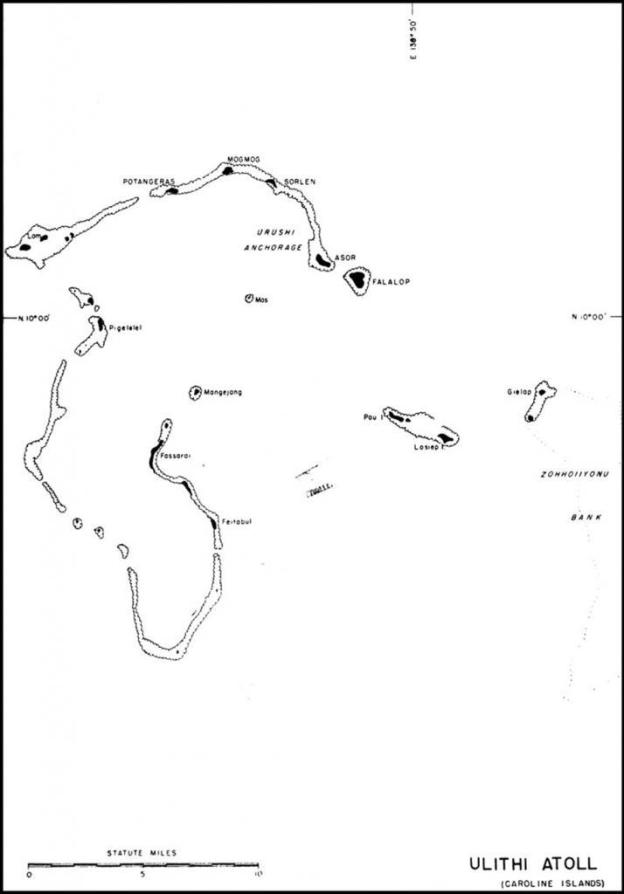
Ulithi Atoll

Ulithi Atoll
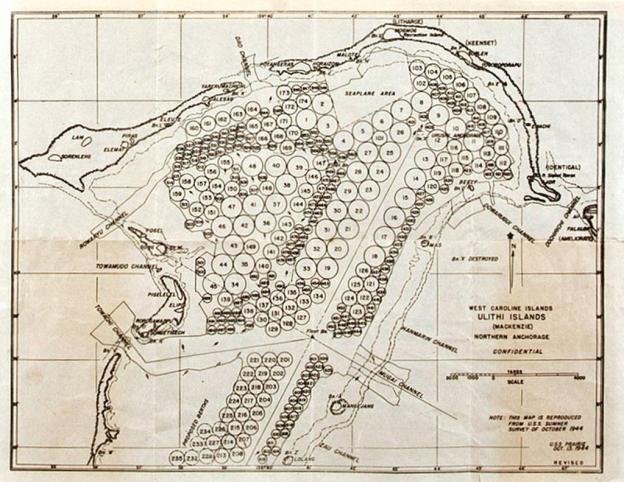
US Navy 1944 berthing chart for the Northern Anchorage of the Ulithi Lagoon, Caroline Islands
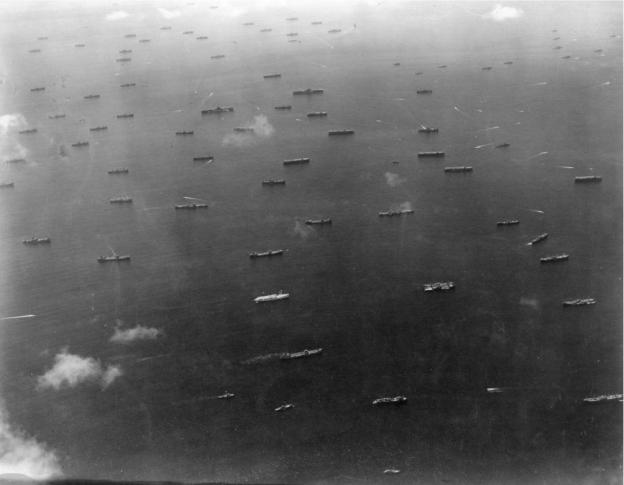
Ships of the 3rd fleet Ulithi December 1944

Ships of the 3rd fleet Ulithi December 1944

Ships of the 5th fleet Ulithi
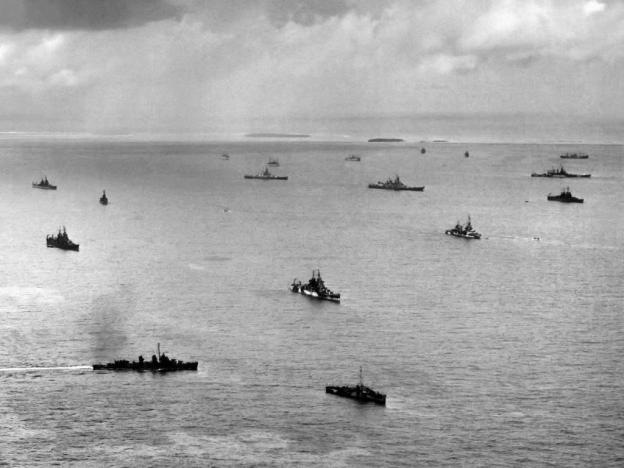
Ulithi January 1945
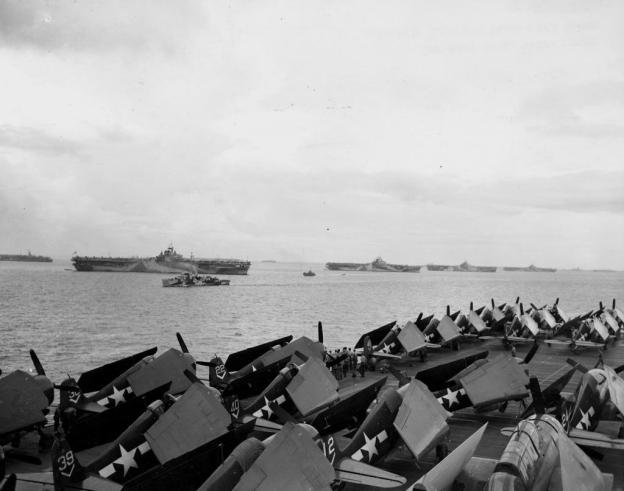
Murderer’s Row the carriers Wasp (CV 18), Yorktown (CV 10), Hornet (CV 12), and Hancock (CV 19) anchored in Ulithi Atoll Dec 1944
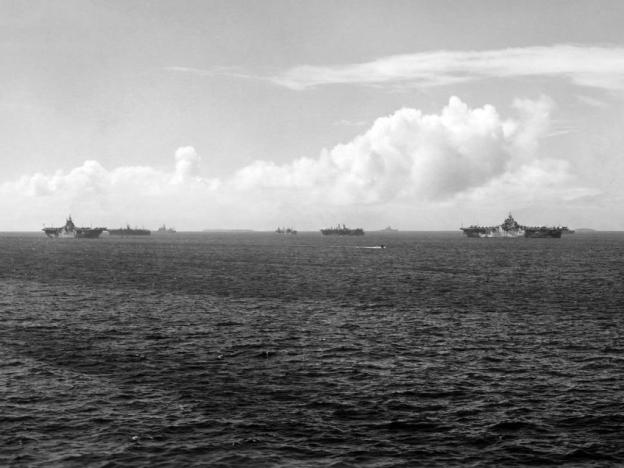
Ulithi Anchorage
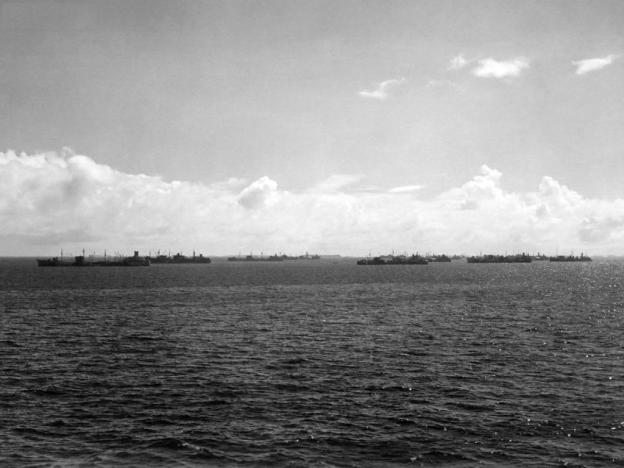
Ulithi Anchorage

Murderer’s Row the carriers Wasp (CV 18), Yorktown (CV 10), Hornet (CV 12), and
Hancock (CV 19) anchored in Ulithi Atoll Dec 1944

Murderer’s Row

USS North Carolina at Ulithi

Ulithi Anchorage

Ulithi Anchorage
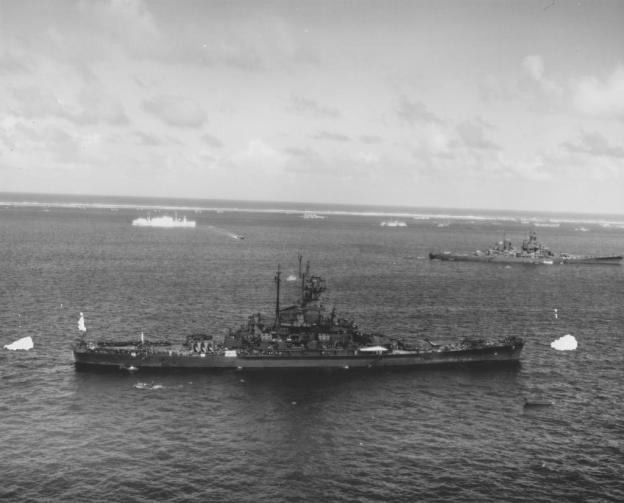
USS South Dakota Ulithi

USS South Dakota Ulithi

R&R on Mog-Mog Island in Ulithi Atoll
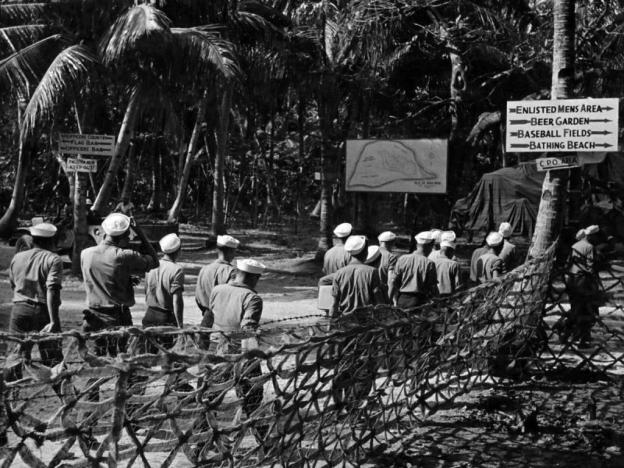
Mog-Mog liberty c 1944

Mog-Mog liberty c 1944
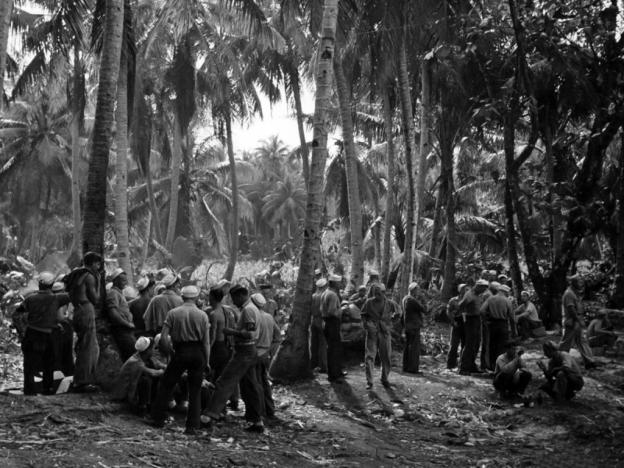
Mog-Mog liberty c 1944

Mog-Mog liberty c 1944

Mog-Mog O-club

Mog-Mog liberty

Mog-Mog baseball
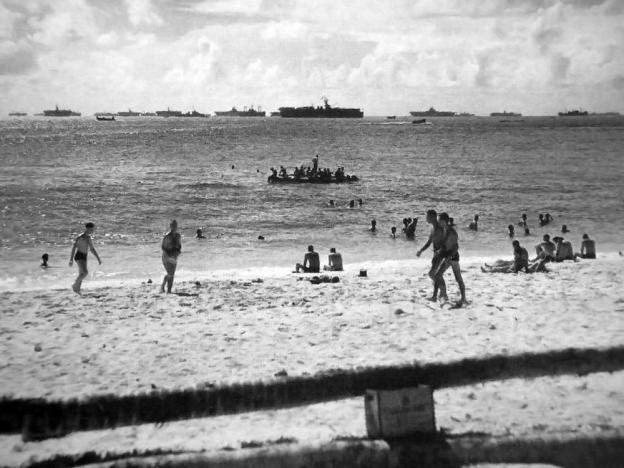
Mog-Mog beach

Mog-Mog beach liberty
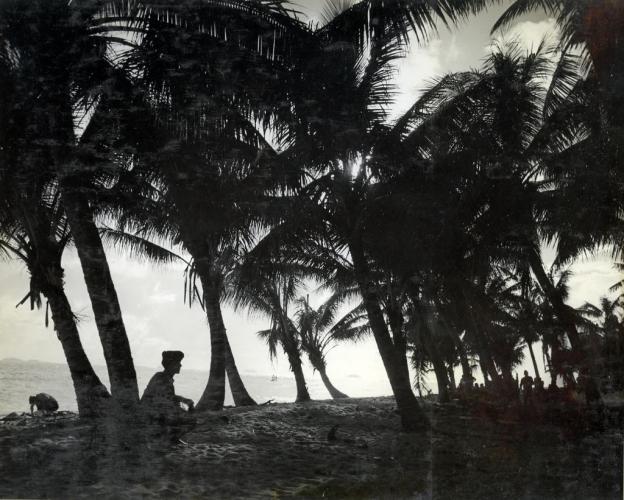
Ulithi R&R
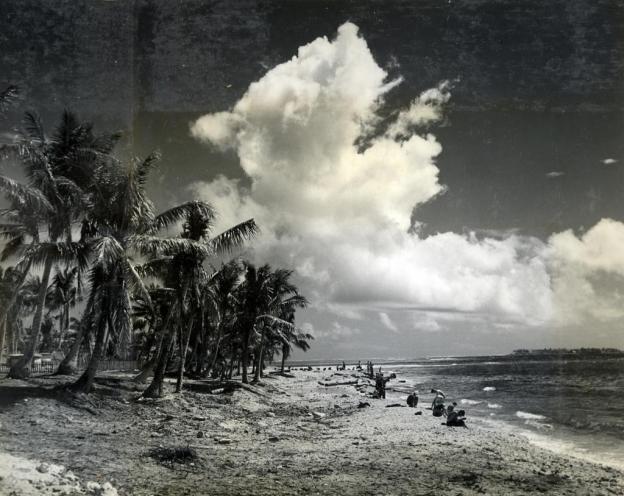
Ulithi R&R
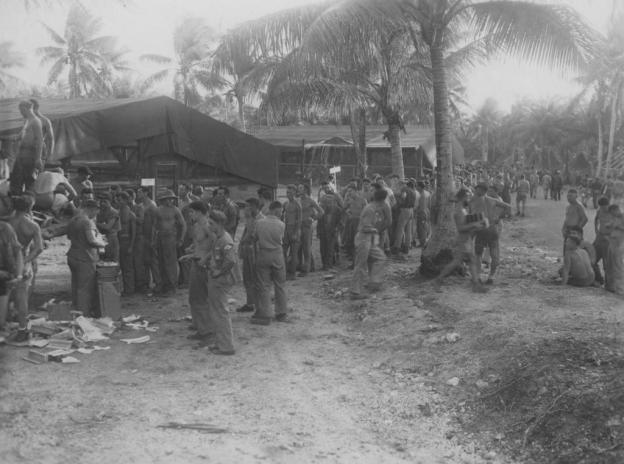
Mail call Ulithi c 1944

Mog-Mog liberty

Mog-Mog liberty
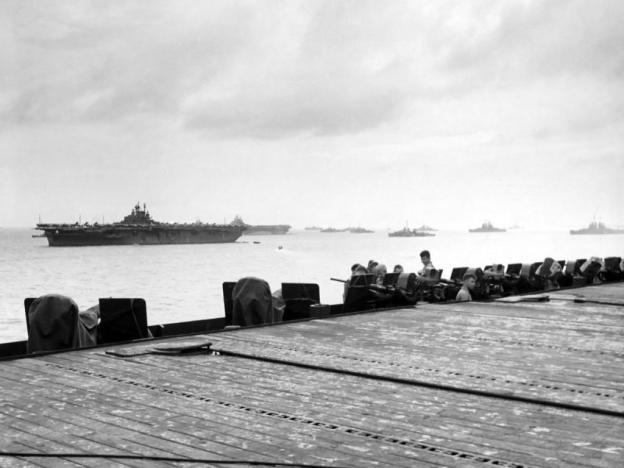
Ulithi

Officers of Bombing Squadron (VB) 4 pictured with an SB2C Helldiver on the
flight deck of the carrier Essex (CV 9) at Ulithi Atoll.

F6F-5N Hellcat aircraft of VMF(N)-541, MAG-45, are on the ground at Falalop Island, Ulithi Atoll 1945
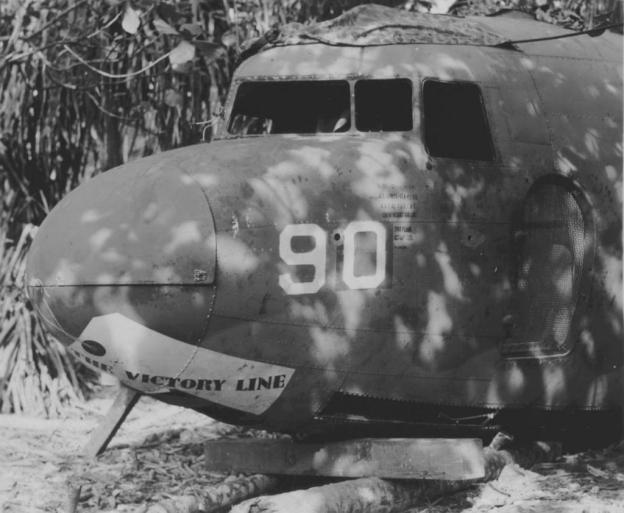
R4D Aircraft Used as a Projection Room for Movies, Ulithi, 1944
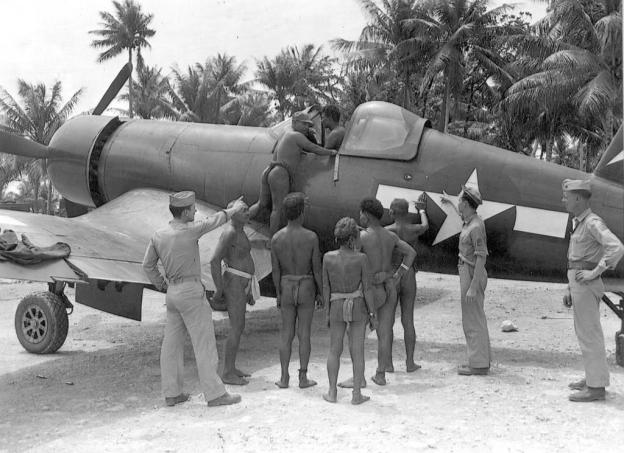
Corsair at Ulithi Atoll strip
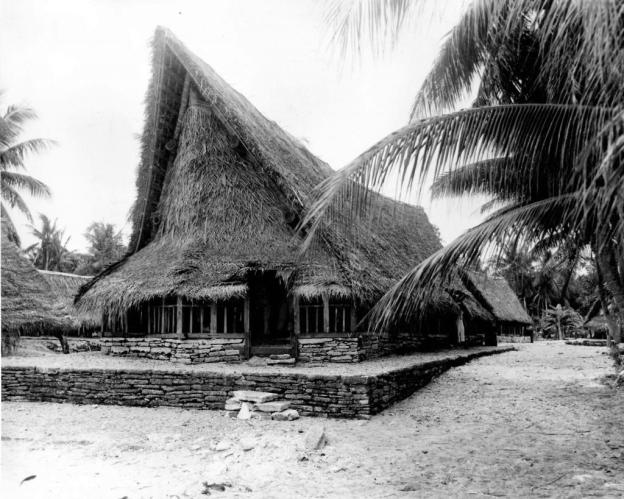
More photos of R&R conditions on the islands of the Ulithi Atoll.
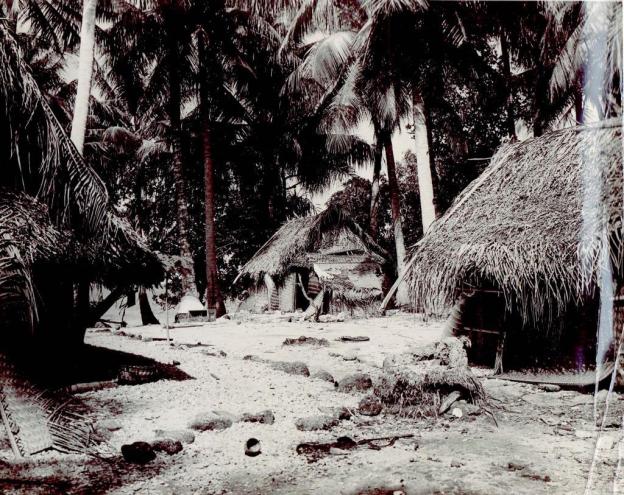

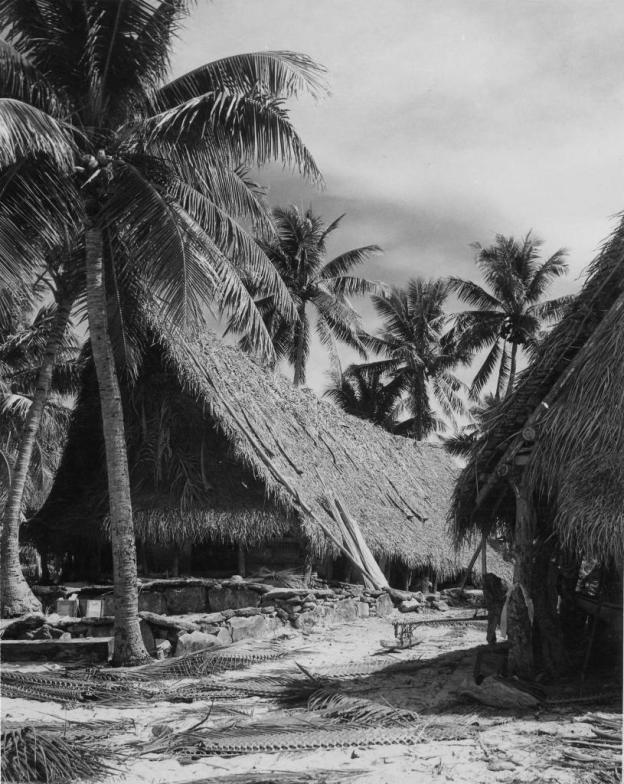




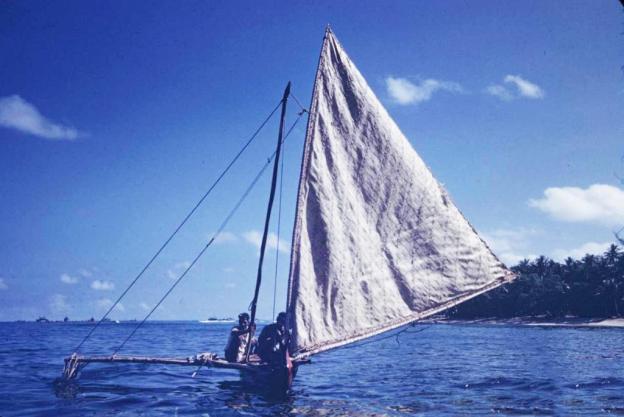
and even more photos of color LIFE on and around the Ulithi Atoll.



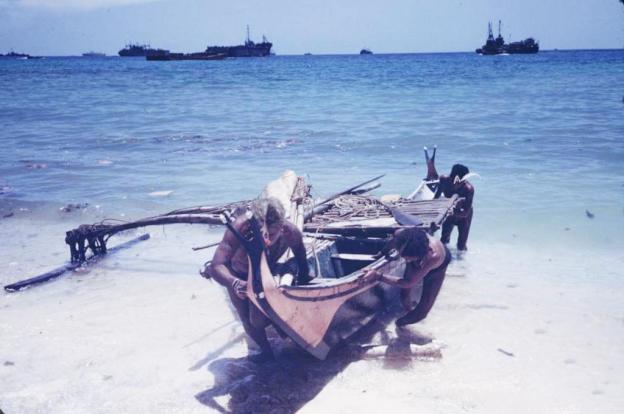

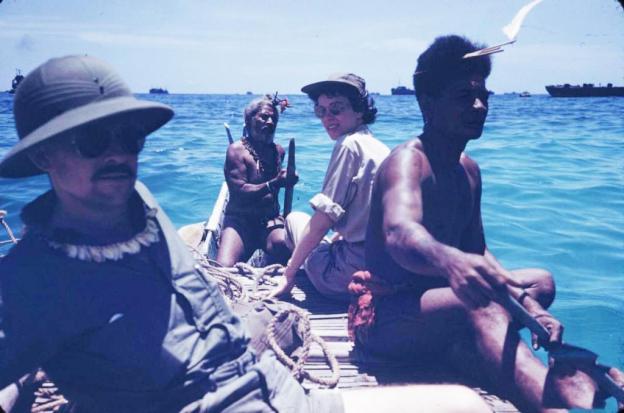

Not all was fun and games at Ulithi …

Burning oil tanker, believed to be the USS Mississinewa after it was hit by a Japanese suicide submarine (kaiten) in Ulithi lagoon, 20 November 1944
“You just go to get drunk…”
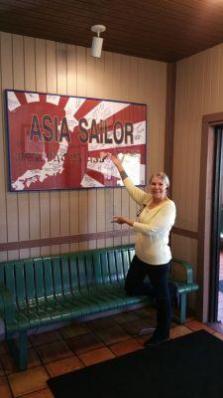
By Garland Davis
The words in the title were said to me by a neighbor in 2016 before I left Honolulu for the Westpac’rs reunion in Branson. And yes, we did have a “few” drinks. But it wasn’t all about drinking beer (there were moonshine and other potables.) There was also reconnecting with our shipmates and myriad sea stories all “no shitters” told and laughed about, often into the wee hours of the night.
There were fundraising activities that raised money to support the Fisher house foundation which provides housing for families of wounded service men and women. We collected and donated $4,500 to that fine organization. The following letter was received from Fisher House in acknowledgment of our contribution:

7/12/2017 1:00:40 PM
Kathryn McAllister
Asia Sailor Westpac’rs Association
Dear Friends:
You are an essential part of making it possible for us to honor and serve our nation’s heroes—and we simply could not fulfill our mission without your support. Thank you for your organization’s gift of $4,500.00.
For more than 25 years, the Fisher House program has been committed to providing “a home away from home” for military and veterans’ families while their loved ones receive vital medical care far from where they live. Because of your support, up to 970 families can call Fisher House home on any given night.
Thanks to your generosity, we continue to expand the network of Fisher Houses. As of spring 2017, there are 72 Fisher Houses in operation and several more under construction. Looking to the future, we are committed to constructing Fisher Houses in communities where they are needed most. Our current priority is to build at VA hospitals around the country, ensuring care for our veterans now, and for decades to come.
We know that there are many organizations deserving of your support, and feel an immense responsibility to be good stewards of the gift you have entrusted to us. In 2016, the Foundation received its 13th consecutive 4-star rating from Charity Navigator, as well as an A+ rating from CharityWatch.
Your support has touched the lives of so many brave men, women, and children facing a medical crisis. To hear more stories about Fisher House families, please visit www.fisherhouse.org.
Thank you for joining us in our mission.
Sincerely,
David A. Coker
President
Fisher House Foundation
111 Rockville Pike, Suite 420
Rockville, MD 20850-5168
Tel: 301-294-8560
Fax: 301-294-8562
info@fisherhouse.org

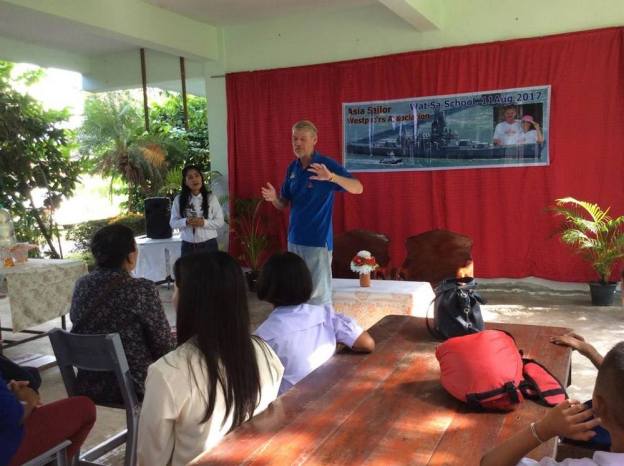
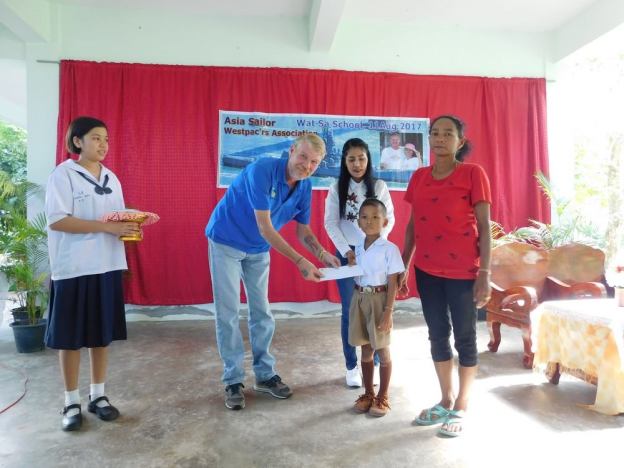
The Asia Sailor Westpac’rs also lends support to the poorest students of the Wat Sa School – Pak Ohanan, Nakhon Si Thamarat, Thailand. Our shipmate and fellow Asia Sailor, Lee Thayer, a retired STGC, and his wife Rrayada, live near the Wat Sa school and yearly dispense collected funds to the poorest among the students and buy needed items to support the teachers of the school. These funds allow the students to purchase and maintain the required school uniforms and to buy needed school supplies.
At the 2017 reunion, we raised $1,650, $350 of which was raised by our resident Airdale, Warren Barker with his Brown Shoe Bloody Mary Bar, another $1,100 was received from members who prefer to remain anonymous and Lee added $250 to bring the total to $3000 for the year.
The following are photos of Lee, Rrayada and some of the students and parents at the 2017 hand over of funds.






I would like to thank my shipmates for their generosity and express my pride in the Asia Sailor Westpac’rs Association. And a heartfelt Bravo Zulu to Lee Thayer who even wears long pants once a year for the “Handover Ceremony.” It is an honor to call him Shipmate!

The key players in the Westpac’rs Association’s success are Dave and Kathy McAllister. They live in Branson and have taken on the task of making arrangements and coordinating the annual reunions. They deserve a hearty Bravo Zulu for all they do. A pair of great shipmates.

But the majority of the credit goes to the one hundred plus attendees of the reunion and their participation in the events that made it possible for the Association to contribute to Fisher House and the Wat Sa School.
Shipmates
By Garland Davis
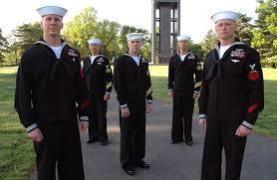
A sailor leaves the Navy and retires to the promised “better life. No longer arbitrary bedtimes and waking times, no more sweepers, eight o’clock reports and no more fucking midwatches. Some who know him are jealous and others are pleased, but those of us who preceded him wonder if he knows what he is leaving behind. We already have learned that there is a different world and there is no other world that can compare with the Navy.
I’m sure we have all heard the old joke that says a good shipmate is one who will go ashore when his buddy has the duty, get a blowjob, come back and give it to him. That’s carrying camaraderie a bit far, but there may be some truth there in this new more diverse Navy of the twenty first century.
But all joking aside after the lifetime of special friendships and the camaraderie one experiences as the member of a ship’s crew one will find himself longing for those ships, those experiences, and above-all, those shipmates. There is a special fellowship among sailors that doesn’t exist among our sister services.
After we shuck the uniform for the last time and store it in a foot locker or a seabag in the far reaches of the attic, even if we throw them away, we wear them in our imagination every minute and every breath of our remaining life.
Even if we rise to a prominent position in this new life, in the background there is still pride in knowing that in our hearts, we are a Seaman, a Petty Officer, a Chief Petty Officer, or a Captain. That is the identity that lives within us.
When we “retire”, we are not just leaving a job behind, we are leaving an entire way of life behind and we strive to rekindle the friendships and the camaraderie we once knew. A cursory check of Facebook groups and Navy websites finds numerous ship and Navy reunions around the country. Sailors searching for that which was once the core of their lives.
Sure, we have countless civilian acquaintances (friends), but we haven’t shared the same experiences with them that formed our relationships with our shipmates.
A civilian friend will take offense if you don’t contact them for a long period while a shipmate will greet you as if the years haven’t passed and will pick up the conversation you were last having just where you left off.
A civilian friend will become uncomfortable if you cry. A shipmate will understand and cry with you.
A civilian friend will borrow from you and conveniently forget the debt. A shipmate will return whatever is borrowed as quickly as possible.
A civilian friend knows little about you and isn’t interested unless you can benefit him. A shipmate knows your dog’s name, your kids, and could write a book with direct quotes from you.
A civilian friend will leave you behind if that is what the crowd is doing. A shipmate will stand with you regardless of what the crowd does.
A civilian friend will reluctantly bail you out of jail. A shipmate will be sitting right there beside you, exclaiming, “That was fucking awesome Dude!”
A civilian friend has shared a few experiences with you. A shipmate has shared a lifetime of experiences that no civilian could ever dream of…
A civilian friend will take your drink away when he believes you have had too much to drink. A shipmate will look as you stumble around and say, “Sit down and drink the rest of that before you spill it.” Then he’ll carry you back and put you safely to bed.
Those of you who served at sea and at war in the Navy, I consider shipmates. It is an honor to be one of you and I am humbled to be in your company.
If you have a chance, go to a ship’s or unit reunion and relive the camaraderie of your time at sea.
Life in a Steel Pipe
by Bob ‘Dex’ Armstrong
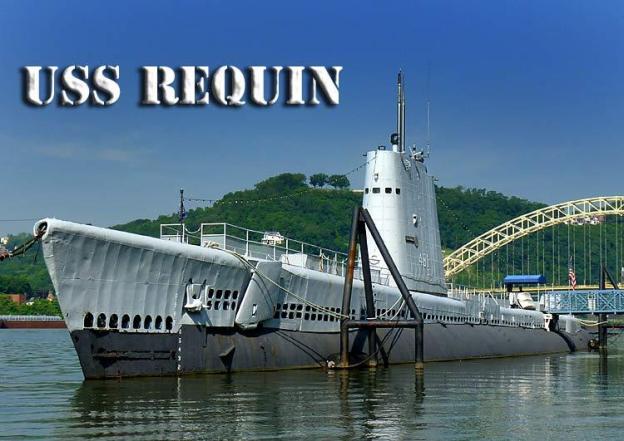
My daughter said, “Dad, it looks like all you did was have fun…” I guess it looks that way to folks who never did what we did for a living. Most people have no idea what life was like inside one of those steel monsters. People always ask… “When you were underwater, could you see out?” They have the idea that submarine duty is like riding a glass bottom boat in Tarpon Springs, Florida… We just enjoyed life and watched fish go scooting by.
Walt Disney caused folks to think like that. In his rendition of the Jules Verne version of submarine service, his boat had a big glass window… Folks sat in big, overstuffed red velvet chairs, smoked imported tobacco, drank sherry, and watched the crew go out some magic hatch and play grab-ass all over the ocean floor. That boys and girls, is pure, unadulterated bullshit… Strictly 20,000 Leagues of Grade A horse manure.
You can’t see out… It’s hot… It stinks… You’re cooped up in less moving around room than you have in your garage. You share your living space with very active, one-inch long, multi-legged wildlife and 80 two-legged critters.
Without stupid activity, life could become unacceptably boring. There were times when life was so uneventful, you could actually hear your toenails growing.
So we did nutty stuff. We spent hours thinking up stupid stuff to do. It was either that, or a trip to the loony bin. When you lived in the North Atlantic, the only circus that came to town was the one you created in your head. We had to manufacture any fun we had.
For example… Only boat sailors will think this is funny… Why? Because they did it. If any submariner tells you he never pulled this one… He’s lying.
When you got some JG or fresh ‘out of the cabbage patch’ lieutenant standing the diving watch… You waited. You waited until he had trimmed the boat. Then by twos and threes, you made your way to the forward room… You waited some more. Then all of you moved by ones… Twos… Until all of you were in the after room. The boat would take on weird angles… The diving officer compensated… The trim manifold operator laughed as he responded to instructions…
“Pump 500 lbs. aft… No, forward… Wait… Make that after trim… Forward trim… Belay my last… Make that zero bubble! More dive on the stern planes… What the hell’s going on? What’s happening??? Boat’s really acting weird…”
It never took long for the COB to get a handle on what was going on.
There was another outbreak of crew lunacy on Requin… Most possibly the best… At the very least, the most memorable.
If you visit the Requin in Pittsburgh, Pennsylvania, she’s sitting out in the river in front of Three Rivers Stadium. If you go through the boat, you will find a little aluminum fish dangling over the control room chart table… Hanging down on a bead chain with the legend ‘ODIN’ die-stamped in the aluminum.
They’ve got tour guides… Non-qual wanna-be fellows who make up answers for John Q. Public to cover what they have not the slightest clue about. There are as many stories about that little fish as there are tour guides.
Here is the straight dope. I was there… I was one of the idiots involved in it and had a front row seat in the “I will shoot the next Viking” major ass chewing.
Stuart was the primary instigator… A major player and father of that aluminum fish. I am not ratting on a fellow shipmate… Far from it. At reunions, Stuart is a celebrity… He starred in a video, signs autographs and I am told, will contract to father children for anyone wishing to have a certified diesel boat maniac in their family tree. Knowing Stu, it would probably fall out of the tree and land on its head. Stuart deserves the credit line on this one.
It was winter… Up north, cold as a witches’ tit… We had rigged in all the brass monkeys. Before we singled up and took in the brow, we got this film, The Vikings. Great flick. Some other boat in SUBRON SIX gave it up, as I recall, because we got orders that didn’t allow time for a movie run.
We showed it the first time, the second day out… Good movie. We then saw it six or seven times in a row. Weird story… If you haven’t seen it, rent the video. Kirk Douglas, Tony Curtis, Ernest Borgnine, and I think Curtis’ wife at the time… Some good lookin’ blonde.
The Vikings were a ratty-ass looking bunch. They did a lot of drinking… Fondled a lot of blonde, blue-eyed women and went to sea on a regular basis. It sounded familiar…
One night, someone announced that we, the crew of the Requin, had to be the spiritual descendents of the Vikings. WHAM!! In that instant, we all became Vikings. Everyone spoke in Scandinavian, Minnesotan, Inger Stevens dialect.
“Ja Sven, you see da cheef? He’s da beeg fella wit da beeg moudt!”
Everybody got into it. The skipper became Ragnar… The exec, Einar… We turned our foul weather jackets inside-out so the brown, hairy looking fake fur stuff was on the outside. We made cardboard horns and stapled them to both sides of our watch caps. When we passed each other going fore and aft, we banged our chests and yelled, “O-O-O-DIN!” (Taken from what they did to greet each other in the film).
In the movie, this old crone, old wrinkled wise woman, gives Tony Curtis this fish made from a ‘falling star’ i.e. meteorite… It was magnetic and was considered to be major magic because it always returned to point north. With this fish always pointing north, the film had Viking ships cutting through pea soup fog and running back and forth between Norway and England like a cross-town bus. Stu went down in the pump room and built us an aluminum fish and die stamped “ODIN” on it.
He hung it from the MC box over the control room chart table… It dangled and swung back and forth. Every time some clown from the after battery would pass through the control room, he would give it a little ‘start swinging’ tap. This eventually drove the Chief of the Boat stark raving nuts! He would foam at the mouth… Get red… Veins would pop out of his neck… Words like, “God save us from these unruly children” and “In the Old Navy, the old man would rake your useless butts over the coals.”
Why did ODIN stay where he was? Simple… The skipper liked it.
As time passed and we became more and more ‘Viking’, the exec put on his “Enough is enough” voice and announced over the 21MC that the crew of Requin had just gotten out of the Viking business… All stop… Don’t answer anymore Viking bells… Over… El stoppo.
Ten minutes later, some idiot tapped into the 21MC and whispered,
“ODIN LIVES… O-O-O-DIN…”
The exec lit us up like a Christmas tree. From then on, we looked around for officers before giving each other the silent Odin salute.
When we came in and the exec opened his vertical uniform locker and removed his ‘hit the beach’ hat, it had grown a pair of cardboard horns. It had to be a miracle because the COB used everything but truth serum to get the rats to rat on whoever did it. I think the Chief finally recognized that the leadership of Requin may have pissed Odin off.
All the exec said was,
“You sonuvabitches never comprehend when the game’s over and it’s time to pick up your toys and put them away!”
He was a deep thinker… We had no idea what in the hell the man was trying to communicate… We knew if he was really serious, he wouldn’t be standing topside talking to the OD of the USS Grampus wearing a hat with cardboard horns attached to it.
Life was uneventful so we fought boredom any way we could. Most of the time submarine sailors won.
Forty years later, a group of late middle age bastards stood in the control room and watched Stu, the originator, replace ‘ODIN’… And we yelled, “O-O-O-DIN…” and banged our chests. We were young again and someone in the crew’s mess yelled,
“Jeezus, the idiots are at it again!!”
Crabs or Crotch Crickets
By Garland Davis
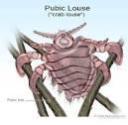
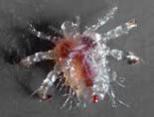
A scourge of the Asia sailor was a little bug called crabs or crotch crickets. To the Corpsman, they were known as pubic lice. They are usually spread through sex, because they like to live in pubic hair. Pubic lice move easily from one person’s hairs to another person’s hairs when their genitals touch or are very close to each other. Sometimes they’re spread through other kinds of close, personal contact. You can get pubic lice where other types of coarse hair — like eyelashes, eyebrows, chest hair, armpits, beards, and mustaches — touch places on someone’s body where crabs are. Sometimes pubic lice are spread by using an infected person’s clothes, towels, or bed.
I knew an Electrician’s Mate who swore they could climb bunk chains and high-line from one bunk to another. He came to the galley and took a couple of the disks cut from the large number ten cans and constructed a pair of miniature rat guards from them. When asked what they were, he replied. “Crab guards, Beck has crotch crickets.” He installed them on the bunk chains
I remember a sailor from another ship long ago who had an extremely hairy torso and had crabs from his neck to his ankles. The Doc told me he was afraid he would have to shave his body if the cream didn’t work.
I was in one ship that only had two large berthing compartments for the two hundred forty man crew. I went to sick bay very upset because I had the crabs. Doc told me, “On this ship you either have the crabs, are getting over the crabs, or are catching the crabs,.” I probably had them a half dozen time while I was in that ship.
Crabs don’t spread through quick, casual touching, like handshakes or hugs. And it’s EXTREMELY rare to get crabs from a toilet seat — crabs don’t live very long when they’re away from a human body, and they can’t hang onto smooth surfaces. So if you had or have the crabs chances are you were doing what good Asia Sailors do when ashore.
There is a lot of stuff at the drugstore that the sailor can buy to treat the bugs. If you have them in your eyebrows see the Doc. Those need special treatment.
BTW! Launder all towels and bedding. Notify anyone you have been doing the horizontal tango with so they can treat themselves at the same time you do, otherwise the little bugs will come to visit again.

 Tales of an Asia Sailor